

Why Choose Us?
Rich Experience
Baoji Pelifly Titanium Industry Co., Ltd is a high-tech enterprise engaged in the research, production, and sales of Titanium and Nitinol alloy and Refractory metal.
Advanced Equipment
We have advanced equipment, Fully automatic control ALD vacuum consumable arc furnace, Hydraulic press, precision wire rod rolling machine, forging machine, centerless grinding machine, pulling and straightening machine, sawing machine, CNC machine tools, and milling machine and other production equipment.
Reliable Product Quality
"Quality is the life of an enterprise", we follow this principle and strictly control the quality of our products. From the selection of raw materials to the chemical composition and mechanical properties of the products tested by China's most authoritative national metal research institute, each finished product can pass the SGS test.
Wide Market
Our products are exported all over the world, and we have established long-term and stable trade relations with Germany, the United States, Russia, Brazil, India, Indonesia, Sweden, Korea, Finland, and other countries and regions. Due to the high quality, reasonable price and our sincere service, we have won a good reputation at home and abroad.
What is Titanium Fasteners?
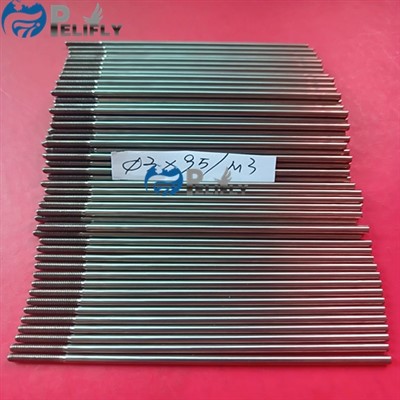
A titanium fastener is a type of fastening component or hardware, such as screws, bolts, nuts, washers, and studs, that is made from titanium metal. These fasteners are used to join or secure two or more components or parts together in various applications across industries.
-
![Titanium Gr.2 Beta Pin]() Add to Inquiry
Add to Inquiry -
![Titanium Gr.5 DIN1587 Nuts]() Add to Inquiry
Add to Inquiry -
![Titanium Gr.5 Lefthand Thread Nuts]()
Titanium Gr.5 Lefthand Thread Nuts
Add to Inquiry -
![Titanium Threaded Bars]() Add to Inquiry
Add to Inquiry -
![Titanium Hexagon Socket Set Screws With Dog Point]()
Titanium Hexagon Socket Set Screws With Dog Point
Add to Inquiry -
![Titanium Gr.2 Spacers Parts]() Add to Inquiry
Add to Inquiry -
![Titanium GR.2 Conical Nuts]() Add to Inquiry
Add to Inquiry -
![Titanium Gr2 Threaded Pin]() Add to Inquiry
Add to Inquiry -
![Titanium Grade 2 DIN916 Screws]()
Titanium Grade 2 DIN916 Screws
Add to Inquiry -
![Titanium Gr.5 ISO14579 Screws]() Add to Inquiry
Add to Inquiry -
![Gr.5 Ti6Al4V Screws Torx Head]() Add to Inquiry
Add to Inquiry -
![Titanium Gr.2 DIN6926 Hexagon Nuts With Flange]()
Titanium Gr.2 DIN6926 Hexagon Nuts With Flange
Add to Inquiry




Advantages of Titanium Fasteners
Corrosion Resistant
One of the significant benefits of titanium fasteners is that they are highly resistant to corrosion. Titanium doesn’t react with oxygen, water, and other environmental chemicals, unlike other materials such as steel and aluminium. This feature makes it an ideal material for fasteners constantly exposed to the elements.
Durability
Titanium is an incredibly strong and durable material known for its high strength-to-weight ratio. This means that titanium fasteners can withstand extreme loads without undergoing deformation or failure. Additionally, the high strength of titanium makes it resistant to fatigue and wear and tear.
Lightweight
Titanium is one of the lightest materials, weighing approximately half as much steel. This makes titanium fasteners an attractive option for applications where weight is critical. Lightweight fasteners help reduce the overall weight of the assemblies, thus increasing fuel efficiency.
Non-Magnetic
Titanium is a non-magnetic material highly resistant to magnetic fields, unlike steel, a ferromagnetic material. This feature makes titanium fasteners ideal for applications that require non-magnetic materials, such as MRI machines.
Cost-Effective
Titanium fasteners are also cost-effective in the long run due to their durability and longevity. Titanium fasteners can last for decades with minimal maintenance, unlike other metals, such as steel or aluminium, which may require frequent replacement due to rust or corrosion. This makes them a great choice for applications where reliability is essential, but budgets are tight.
Biocompatibility
Another benefit of titanium fasteners is their biocompatibility. Titanium is a biocompatible material, meaning that it’s not toxic to living tissue and doesn’t cause an allergic reaction in humans. This feature makes titanium fasteners an ideal choice for medical device manufacturers.
Low Thermal Expansion
Titanium has a low thermal expansion coefficient, meaning it does not change significantly when exposed to extreme temperatures. This makes it an ideal choice for applications where temperature changes occur frequently, as the fastener will remain secure despite fluctuations in temperature or humidity levels.

Titanium Screws
In precision engineering, titanium screws are used daily. Their corrosion resistance, coupled with impressive tensile strength, makes them ideal for critical applications in electronics, medical devices, and marine environments.
Titanium Washers
Often overlooked, titanium washers are unsung heroes in fastening assemblies. Providing a barrier against corrosion and ensuring even distribution of loads, these small components contribute significantly to the reliability of the overall structure.
Ball Lock Pins
Ball lock pins, also known as quick-release pins, are mechanical fasteners designed for rapid and secure assembly and disassembly in various applications. They consist of a cylindrical body with a spring-loaded ball at one end and a push-button or handle at the other. Our range of ball lock pins are built as a single piece design, which means there is no danger of parts coming away from the pin.
Application of Titanium Fasteners
Aerospace Industry
The aerospace industry is one of the most significant users of titanium fasteners. Titanium fasteners’ lightness in weight and high strength-to-weight ratio make them perfect for the aerospace industry. To reduce aircraft weight and improve fuel efficiency, manufacturers use titanium fasteners to construct critical components like wings, tail sections, engines, and landing gears. Titanium fasteners also have high corrosion resistance, making them ideal for aeroplanes operating in saline and humid environments.
Medical Industry
Manufacturers prefer titanium over other medical devices and implants for its excellent biocompatibility, non-toxicity and non-reactivity when in contact with body tissues and fluids. The lightweight and high strength of titanium makes it an ideal material for dental and orthopaedic implants that require strength to support body weight while not restricting movement. Moreover, unlike steel, titanium fasteners used in orthopaedics don’t interfere with Magnetic Resonance Imaging (MRI) testing.
Motorsports Industry
Motorsports demand lightweight, high-strength materials that withstand high stress and harsh environments. Titanium fasteners are robust and lightweight, which means they can withstand the high acceleration, vibrations, and heat that come with motorsports – making them the preferred choice for high-performance racing cars and motorcycles.
Marine Industry
The marine industry depends on titanium fasteners for its lightweight, high-strength, and non-corrosive properties. Titanium is less prone to galvanic and seawater corrosion, making it suitable for marine-based machinery, critical applications, and marine structures. Titanium fasteners are extensively used in hulls, propellers, and similar underwater applications.
Chemical Processing Industry
The Chemical processing industry requires fasteners that can withstand harsh environments like acidic, alkaline, and high-temperature chemical reactions. Titanium fasteners’ non-reactivity and corrosion resistance make them the obvious choice for equipment used in chemical processing environments. Due to their heat resistance, titanium fasteners can also be used in metal finishing operations.
Common Surfaces Of Titanium Fasteners
Electroplating
In this process, the electroplated component is mixed in an aqueous solution. The solution contains the compound, and you should pass electricity through that solution to deposit the electroplating solution on the metal object. In most cases, this process involves copper, galvanizing, copper-nickel alloy, chromium, etc. Sometimes you would see phosphating, black boiled, and similar kinds of chemicals.
Galvanizing
In this method, you have to submerge the titanium member in a molten zinc plating bath, maintaining the 810 degrees Celsius temperature..
Sandblasting
In this process, white corundum is generally used for titanium fasteners metal coating. The pressure stays 0.45 Mpa.
Pickling
Acid pickling is a quick method to remove the surface reaction layer. As a result, the surface will not produce pollution from another element.
What are the Do’s and Don’ts of Using Titanium Fasteners?
Do Use it for Saltwater Resistance
Titanium fasteners are resistant to saltwater, which makes them more desirable for use in a saline environment. Industries like Naval, desalination and offshore oil rely highly on titanium due to its resistance to saltwater. Interestingly, titanium fasteners are resistant to both moving and stagnant seawater up to a mile deep. They even depict this property at temperatures of up to 500°F.
Do Use it for Chloride Resistance.
Just like saltwater, titanium fasteners are also repellant to all chlorine or chloride solutions. Titanium’s ability to regenerate its protective-passive layer in the presence of oxygen makes it resistant to them. They are further resistant to almost every chlorine or chloride solution, including chlorite, hypochlorite, chlorate, perchlorate, and chlorine dioxide. Another aspect is that if chlorine is used in the absence of water or as a gas, this can cause rapid corrosion.
Do Not Use it in Acid.
As mentioned above, titanium fastener offer excellent corrosion resistance to salt water and chlorides. However, it is not true for strong acids. The titanium fasteners corrode at certain acid concentrations and temperatures. This happens because they lose their protective-passive layer when exposed to sulphuric acid and hydrochloric acid.
Don’t Use it in Dry Chlorine.
Even though titanium fastener are ideal for almost all chloride and chlorine applications, they certainly cannot be used in the absence of water. Dry chlorine and chloride gases will make them rapidly corrode and even ignite. The simple reason behind this is, without water or gas, oxygen is absent, and titanium loses its ability to regenerate its protective layer in the absence of oxygen, which then results in corrosion.
"Grade" In Titanium Fasteners
Titanium Grade 1
Titanium grade 1 stands as the embodiment of purity in the titanium world
Composed primarily of titanium and void of alloying elements, it boasts exceptional corrosion resistance and formability
Commonly used in chemical processing and marine applications, grade 1 is the go-to choice where corrosion resilience is paramount.
Titanium Grade 2
Titanium grade 2 is one of the most common types of titanium
With a balance of strength and weldability, titanium grade 2 emerges as one of the most popular options due to its 99% titanium purity
This commercially pure grade finds its place in chemical processing, architecture, and medical implants
Its moderate strength, coupled with excellent corrosion resistance, makes it a formidable contender in various fields
It is also suitable for components needing strength up to 204°C and exhibiting resistance to oxidation up to 315°C
Titanium Grade 3
Titanium grade 3 emerges as a versatile and reliable option
Often overshadowed by its more renowned counterparts, grade 3, with its distinct composition, finds its niche in various industrial applications, such as chemical processing, marine engineering, and medical implants
It finds applications in components that need strength capabilities reaching 204°C and resilience against oxidation of up to 315°C
Titanium Grade 4
Titanium grade 4 stands out as the purest form of unalloyed titanium, distinguished by elevated oxygen content and exceptional strength
It strikes a delicate balance between strength and ductility, alloyed with small amounts of palladium
Grade 4 excels in applications requiring both robustness and malleability and is suitable for components demanding strength levels reaching 204°C, exhibiting oxidation resistance up to 315°C
This makes grade 4 a sought-after choice in the marine and chemical industries
Titanium Grade 5
Grade 5 titanium (6Al-4V) surpasses the strength of commercially pure titanium alloys
With 6% aluminium and 4% vanadium, this heat-treatable alloy boasts a compelling blend of strength, weldability, and formability
This makes it indispensable for applications where a high strength-to-weight ratio is crucial
Grade 5 titanium maintains the same corrosion properties as titanium grade 2, making it very suitable for environments involving chemical processing, architecture, aerospace, and transport
1. Tensile Strength
High tensile materials are typically used for high-stress fastening applications. It’s why stainless steel is the one of the most widely used products in the world but its main disadvantage is that it doesn’t have a naturally protective coating or alloy like titanium and so therefore, is more prone to corrosion. This begs the question, Is titanium stronger than steel? Yes, titanium is stronger than steel. Not to mention that titanium is 45% lighter than steel with the same, if not higher, tensile strength.
2. Yield Strength
Yield strength is the amount of stress a material can endure without deforming. Titanium fasteners exhibit a notable yield strength, contributing to their reliability in applications where maintaining shape and structural integrity is essential.
3. Fatigue Resistance
Titanium fasteners display excellent fatigue resistance, enabling them to endure repeated loading and unloading cycles without failure. This characteristic is particularly important in applications such as aerospace, where components are subjected to cyclic stresses during operation.
4. Impact Resistance
The impact resistance of titanium-grade material makes it suitable in applications where fasteners may experience sudden or repeated impacts. This property is valuable in industries ranging from automotive engineering to construction, where fasteners must withstand harsh and direct forces.
5. Hardness
Titanium possesses sufficient hardness to resist wear and abrasion. This makes titanium fasteners durable and long-lasting in applications where contact or friction with other materials is common.
Regular Inspections
Implement a rigorous inspection routine to identify potential issues early. Use specialized equipment like torque wrenches and ultrasonic testing to ensure titanium fasteners are installed correctly.
Material Compatibility
Ensure all materials in contact are compatible to avoid galvanic corrosion. Become familiar with selecting materials less likely to react with each other, and choose non-reactive materials (e.g. titanium or stainless steel) to extend your product’s lifespan.
Proper Lubrication
Use appropriate lubricants to reduce friction and wear. For example, high-temperature environments may require graphite-based lubricants. Silicone-based products may be better for high-moisture areas.
Adequate Training
Ensure staff are trained in correct installation techniques and understand the importance of torque settings. Hands-on training in real world scenarios and continuous education programs keeps your team up to date on best practices.
Quality Control
Invest in high-quality titanium fasteners and conduct thorough quality checks upon receipt. Partner with reputable suppliers who adhere to international quality standards.

Avoid Overdriving Your Titanium Fasteners to Maintain Shear Capacity
Adjusting the driver’s slip clutch
Located at the rear end of the chuck, the slip clutch indicates the torque power that is transferred to the head of the titanium fastener. You need to be trained at using the clutch in order to bore the titanium fastener to the required depth, without falling prey to overdriven or under-driven situation. The slip cutch setting is such that if surpassed by the force required to drive in the titanium fasteners, the clutch will slip and the motor will continue to drive, without the chuck turning. You can only derive at the ideal number by experimenting with different torque setting.
Using self-centering bits
In spite of a sturdy hand and eye combination, it sometimes becomes difficult to drill a perfect slot for titanium fasteners with millimeter accuracy. If the hole gets misaligned from the center, you’ll probably end up overdriving the titanium fastener in the wrong direction. In order to get that perfectly centered position of the screws, consider using a self centering bit to mount the parts more precisely, without compromising the shear-capacity. This is especially useful for inserting longer threads.
Drilling pilot holes
Pilot holes prevent the titanium fasteners from breaking in half or being overdriven, which is quite imperative when driving brass screws inside the hole. It is basically a hole of low diameter bored at the base of the board. The main objective is to provide a pathway for the titanium fastener to enter the slot without ripping it apart, and hence minimizing the chances of shear-capacity reduction.
Practicing to master the expertise
Overdriving the titanium fasteners is a common error that happens more often than not, and especially if you are new to driving the screws, you have a tough job at hand. Getting used to this skill takes practice just like archery. You are only going to learn with several repetitions till the time your hands fit the purpose.
The Most Common Titanium Fastener Coatings
Zinc is one of the most common coatings for most titanium fasteners mainly due to the fact that it’s cheap and protective. It is mainly used to protect the titanium fasteners from oxidative damage, such as rusting of susceptible metals. For this reason, this coating is most ideal for when a titanium fastener will be used in a humid area where there is a high likelihood of rusting.
Gray phosphate is yet another popular coating that is designed to protect the titanium fasteners from corrosion. However, it is considered to offer low level protection. This means that it’s not ideal for use in scenarios where the risk of corrosion is very high. An example of this is in marine applications. In fact, this type of coating is ideal for use in a dry setting, rather than where the titanium fastener is likely to be in contact with a lot of water. In order to perform optimally, this type of coating needs to be applied properly. This means that when you want to by titanium fasteners with gray phosphate coatings, it would be wise to ensure that you buy them from manufacturers who work with reputable coating companies.
This is a type of coating that is electrically applied on the titanium fasteners, and it offers low level corrosion protection. It can be used in situations where the titanium fastener is likely to come into contact with water, or in humid conditions. As is the case with gray phosphate, it has to be properly applied in order to provide the expected level of corrosion protection.
Our Factory
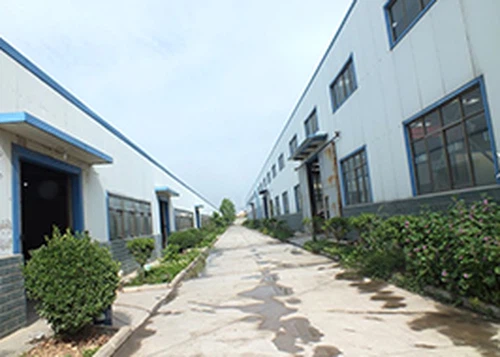
Baoji Pelifly Titanium Industry Co., Ltd is a high-tech enterprise engaged in the research, production, and sales of Titanium and Nitinol alloy and Refractory metal. Our company is located in Baoji High-Tech Development Zone which is the famous "China Titanium Valley". We have advanced equipment, Fully automatic control ALD vacuum consumable arc furnace, Hydraulic press, precision wire rod rolling machine, forging machine, centerless grinding machine, pulling and straightening machine, sawing machine, CNC machine tools, and milling machine and other production equipment, aerospace, medical high-end titanium alloy materials 1000 tons of production capacity.



Ultimate FAQ Guide to Titanium Fasteners
As one of the leading titanium fasteners manufacturers and suppliers in China, we warmly welcome you to buy high-grade titanium fasteners for sale here from our factory. from our factory. All our products are with high quality and competitive price.
Titanium Spokes, Titanium Strip and Coil, Titanium Hexagon Bar