

Why Choose Us?
Rich Experience
Baoji Pelifly Titanium Industry Co., Ltd is a high-tech enterprise engaged in the research, production, and sales of Titanium and Nitinol alloy and Refractory metal.
Advanced Equipment
We have advanced equipment, Fully automatic control ALD vacuum consumable arc furnace, Hydraulic press, precision wire rod rolling machine, forging machine, centerless grinding machine, pulling and straightening machine, sawing machine, CNC machine tools, and milling machine and other production equipment.
Reliable Product Quality
"Quality is the life of an enterprise", we follow this principle and strictly control the quality of our products. From the selection of raw materials to the chemical composition and mechanical properties of the products tested by China's most authoritative national metal research institute, each finished product can pass the SGS test.
Wide Market
Our products are exported all over the world, and we have established long-term and stable trade relations with Germany, the United States, Russia, Brazil, India, Indonesia, Sweden, Korea, Finland, and other countries and regions. Due to the high quality, reasonable price and our sincere service, we have won a good reputation at home and abroad.
What is Titanium Tube?
Titanium tubes are cylindrical-shaped devices that are made of titanium metal. They are commonly used in various applications requiring high strength, fatigue, and corrosion resistance. These applications include hydraulic systems, structural components, and heat exchangers. Titanium tubes are available in various sizes, shapes, and grades. The grade of the titanium tube generally determines its mechanical properties, which in turn influences its application.
-
![ASTM F67 Medical Titanium Pipe]()
ASTM F67 Medical Titanium Pipe
Add to Inquiry -
![ASTM B338 GR.7 Titanium Seamless Tubes For Condenser And Heat Exchanger]()
-
![Titanium 6AL4V Gr5 Seamless Tube]()
Titanium 6AL4V Gr5 Seamless Tube
Add to Inquiry -
![Titanium Alloy Seamless Tubes ASTM338]()
Titanium Alloy Seamless Tubes ASTM338
Add to Inquiry -
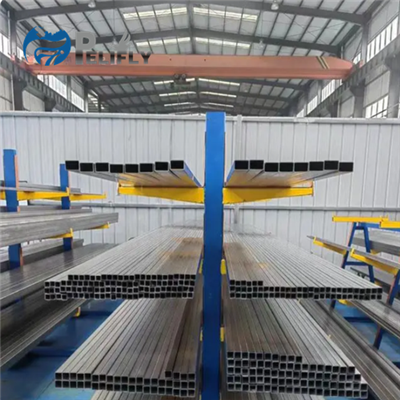
![Titanium Rectangular Tube Titanium Square Pipe]()
Titanium Rectangular Tube Titanium Square Pipe
Add to Inquiry -
![Titanium Gr.2 Welded Pipe]() Add to Inquiry
Add to Inquiry -
![Gr2 Titanium Target Tube]() Add to Inquiry
Add to Inquiry -
![Gr2 Titanium Seamless Tube]() Add to Inquiry
Add to Inquiry




Advantages of Titanium Tube
Low density
Unlike other metals, titanium incorporates a low weight to high strength ratio. The density of titanium is less than stainless steel, nickel and copper, which makes it easier to work with. Despite having such a low density, the titanium tubes are designed to maintain strength and rigidity, offering suitability for various industrial applications.
Durability
Our products can be tailored to suit your specific requirements. As a transition metal, titanium is renowned for its high strength.
Corrosion resistance
The titanium tubes are renowned for their ability to resist corrosion and other impacts. Our titanium tubes are manufactured to suit highly corrosive environments, allowing you to maintain a high-quality appearance. Titanium is resistant to corrosion meaning that it suits various outdoor applications and can ultimately prevent rust.
Chemical resistance
Titanium tubes are not only able to resist corrosion; they’re designed to withstand chemical components too. Incorporating a flexible design and kink resistance; it’s no surprise our titanium tubes are so popular. Choosing one of our titanium tubes will provide you with the peace of mind that your products are protected from chemicals and acids.
Heat transfer
Our titanium supplies work well under extreme temperatures and pressures so you needn’t worry about getting the most out of your equipment. Whether you’re looking for titanium to suit applications of power generation or sporting equipment, our products are guaranteed to accommodate your specific needs and wants. They’re also suitable for the marine and nuclear industry, where high efficiency is required.
High performance
We cut all tubes to length and ensure that they’re tailored to suit your unique needs. Titanium is a metal that combines high strength with low density to perform exceptionally well under pressure. As a material of choice, titanium is guaranteed to offer protection when transferring liquids at high speeds.
Types of Titanium Tube
Seamless Titanium Tubing
As the name implies, the body of seamless titanium tubing is devoid of any seams, joints, or welds. As a result, they can endure the pressure of delicate liquids and gasses since they are strong in all directions. While welded tubes have more options for size and form, seamless titanium pipes often have greater strength and pressure capabilities.
Welded Titanium Tubing
During the process of making titanium tubing, welding is utilized to either extend the tube's length or keep its profile the same. The oxide layer must be removed before welding titanium, just like it must be done with aluminum and stainless steel. However, titanium is simple to weld.

Application of Titanium Tube
Aerospace Industry
The aerospace industry was one of the first to embrace titanium and its alloys. titanium tube fittings are widely used in aircraft engines, hydraulic systems, fuel lines, and landing gears due to their high strength-to-weight ratio, corrosion resistance, and ability to withstand extreme temperatures and pressures. Moreover, titanium tube fittings are non-magnetic and biocompatible, making them an ideal choice for medical devices and implants in the aerospace industry.
Chemical Processing Industry
The chemical processing industry requires materials that withstand extreme temperatures, strong chemicals, and corrosive environments. titanium tube fittings are used extensively in this industry as they exhibit exceptional corrosion resistance, even in harsh, acidic, and caustic environments. They are used in chemical reactors, storage tanks, heat exchangers, and piping systems, particularly in applications that involve hydrochloric acid, sulphuric acid, and other aggressive chemicals.
Marine Industry
The marine industry is one of the most demanding environments for materials, as they are constantly exposed to seawater, salt spray, and atmospheric corrosion. titanium tube fittings offer excellent resistance to saltwater corrosion and pitting, making them ideal for seawater piping systems, heat exchangers, and propeller shafts. They also minimize the risk of galvanic corrosion when in contact with other metals.
Power Generation Industry
The power generation industry relies on durable materials that can withstand high temperatures and pressures in various applications. titanium tube fittings are highly resistant to corrosion, erosion, and fatigue at elevated temperatures, making them ideal for power generation applications such as gas turbine engines, heat exchangers, and piping systems. Another benefit is that they possess excellent thermal conductivity, which maximizes heat transfer efficiency in power generation applications.
Automotive Industry
In addition to being used in high-performance car parts, titanium tube fittings are increasingly used in hydraulic systems, fuel lines, and exhaust systems due to their high-temperature resistance and durability. They also offer a weight reduction advantage that improves fuel efficiency and reduces emissions. Lastly, the aesthetic qualities of titanium are highly valued in the automotive industry, as it is often used to add a touch of luxury to high-end sports cars.
Titanium Tube Grades Guide
CP grade 1 is the softest titanium with the highest ductility, good cold formability, which gives Titanium grade 1 an excellent resistance from mild to high oxidation. Commercially Pure Titanium grade 1 is one of the softest and most ductile grades, exhibiting the most outstanding formability. It also has excellent welding properties and high impact toughness. Titanium grade 1 is designated as UNS R50250.
CP grade 2 is used most widely in commercially pure titanium. Titanium grade 2 has moderate strength and excellent cold-forming properties. Titanium grade 2 is designated as UNS R50400. Thanks to its varied usability and wide availability, grade 2 Titanium is called the “workhorse” of the commercially pure titanium industry. It is “unalloyed” titanium offering an excellent balance of strength and ductility.
CP grade 3 is almost only used in the pressure vessel. Grade 3 titanium has excellent corrosion resistance.
Alloy grade 5, Ti-6Al-4V, is most widely used in titanium alloys because of its comprehensive mechanical, physical, and chemical properties. Titanium 6Al-4V, Titanium grade 5 alloy (UNS R56400) is the most widely used titanium grade. Titanium grade 5 is a two-phase α+β titanium alloy, with aluminum as the alpha stabilizer and vanadium as the beta stabilizer. Grade 5 titanium has good welding and production characteristics.
Alloy grade 23, Ti-6Al-4V ELI (Extra Low Interstitial) is designated as UNS R56401, and Titanium grade 23 has a superior damage tolerance to other alloys. These benefits make Titanium grade 23 the ultimate dental and medical titanium grade.
Titanium 8Al-1Mo-1V is a near Alpha Alloy that is primarily designed for use at elevated temperatures – up to 455 degrees centigrade. It offers the highest modulus and lowest density of all Titanium alloys. It has good creep strength, and it’s weldable by the inert gas fusion and resistance welding processes.
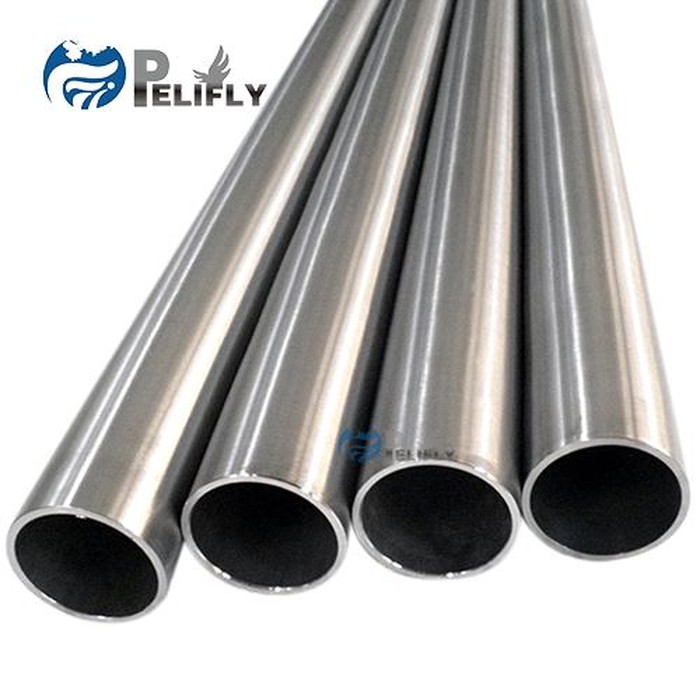
Titanium tube is often used because of its superior chemical resistance, which is well above that of stainless steel grade 304 or even grade 316.
As a high-strength, low-weight material with high corrosion resistance, titanium provides a high strength-to-weight ratio that makes it a good choice for a diverse range of tubing applications.
Small diameter radiused tubes for use in automotive applications
Small, round titanium tubes used for seed casings in brachytherapy.
Thin wall titanium tubing for the casings of chemically active containers used in life sciences
Titanium tubes are also useful in analytical instruments, such as for chromatography and other applications where the tubing must:
Not interact with many different types of chemicals and other substances
Another advantage of titanium tube in medical devices is that it is biocompatible. Not only can the human body tolerate the use of titanium (which is important enough), but it is also nonmagnetic — an increasingly important trait as the use of magnetic resonance imaging (MRI) becomes more common in medical diagnostics.
From a temporarily placed cardiac needle to a (hopefully) permanent bone joint replacement, MRI compatibility is important for any medical device that is inserted or implanted in the body for any length of time and where a slightly magnetic material would be dangerous.
Machinability of Titanium Tube
Being a more brittle and less forgiving material, titanium is also harder to machine. The more you have to do to titanium to achieve your final product, the greater the chances you can have a problem with chipping and other surface roughness issues.
The machining of titanium also requires more coolant than other materials may need. High-pressure coolant must be delivered at precisely the place of machining from multiple nozzles and angles, to flood the area with coolant.
In addition, titanium is rarely used for the junctures of tubes. In fact, for medical devices in particular — where a lot of machining is required to create flares, swages, and threading at the points of connection — metal of any kind is a very small part of the tube fittings market.
Instead, tube fittings for medical devices more often use high durability PEEK (polyether ether ketone) or other specialized plastics that can be molded and machined more easily.
The Cost Of Titanium Tube
Across both the pros and the cons, the cost of titanium tubing must also be considered.
Historically, because titanium is not used as frequently as a material such as stainless steel, there are only a few smaller vendors that make titanium tube. Additionally, it comes in fewer standard sizes, requiring greater lead time to produce custom sizing, which in turn also adds to the cost.
Therefore, titanium tube is a material you’d better be sure you REALLY need — not something to be chosen lightly — if you are going to specify it.
Here’s an added tip: From a practicality standpoint when titanium is needed for a final product, companies often prototype the product design in another, less expensive metal to test the feasibility and function. If the initial testing validates the design, it can then be retested using titanium.
With such a remarkable variety of titanium tube options, it is vitally important to always specify which particular type and grade you want — whether it is pure titanium, one of the many alloys, or a NiTi formula — to optimize the manufacturability of your product.
Titanium Tube Welding Technology
Inert gas shielded welding (TIG welding)
This is one of the most regularly utilized titanium tube welding methods. TIG welding uses inert gases (such as argon) to protect the welding area from oxygen and nitrogen contamination of the titanium metal. It can provide high quality welds, but at a slower speed.
Electron beam welding
It is the employment of high-speed electron beam to locally heat and melt the titanium tubes to make a weld. It allows for high energy density welding with fast welding speeds and a small heat affected region.
Laser welding
It uses high energy laser beams to melt and weld titanium tubes and tubes. It enables precisely controlled welding processes with the benefits of high speed and high quality.
Cladding welding
In cladding welding, titanium metal powder is sprayed onto the surface of the titanium tube, melting it, and fusing it with the substrate using a heat source. This technique works well for strengthening or mending particular sections of titanium tubes.
Manufacturing Process of Titanium Tubes
Raw Material Selection
The first step in manufacturing titanium tubes is the selection of the raw materials. Titanium ore is mined and processed to extract titanium powder. The powder is then moulded and compressed into billets or bars, which are used to make titanium tubes. The material selection must be precise, with the right amount of impurities removed through the processing stage, to ensure that the pipes made from them have the required properties.
Melting And Forging
Once the titanium billets or bars are ready, they are subjected to the melting process to form an ingot. The ingot is then heated to a specific temperature required for the forging process. Forging primarily aims to shape the ingot into useful forms for further processes. In this case, the ingot is hammered into a pipe shape.
Heat Treatment
Heat treatment is essential in the manufacturing process of titanium tubes. The heat treatment operation is done at a specific temperature to enhance the strength of the pipes and remove any unwanted defects. The heat treatment is also critical in ensuring the pipes’ chemistry is uniform.
Machining And Welding
Once the pipes have undergone heat treatment, they are machined to the desired specifications. This includes cutting and forming the pipes into the desired shapes and sizes. Pipes may also need to undergo welding if the specifications require a greater pipe length than the initial forging produced. Welding is also required to attach the pipes to different structures.
Finishing
After machining and welding, there are final finishing touches that the pipes need to go through, such as polishing and cleaning. This stage aims to ensure that the pipes are free from any unwanted materials and polished to have a smooth surface, making them clean and appealing to the eye.
1. Determine the Appropriate Alloy
Titanium is available in various grades, which suit different applications. It would be best to consider the weight, strength, temperature range, and corrosion-resistance requirements before choosing an alloy. The most commonly used seamless titanium alloy for pipes is Grade 2, characterized by its high strength, low weight, and excellent corrosion resistance. If your application requires high-temperature resistance, consider an alloy such as Grade 5 titanium, with its increased strength at higher temperatures.
2. Pipe OD/ID and Wall Thickness
Another consideration to make when selecting your seamless titanium tube is the pipe’s outside diameter (OD), inside diameter (ID), and wall thickness. The OD is the overall width of the pipe, and the ID is the diameter of the opening. The wall thickness is the distance between the pipe’s outer and inner diameters. Choosing the right OD/ID and wall thickness is crucial to avoid any pipe failure due to the pressure it will be expected to withstand. You must consider the size and weight of your project and the pressure requirements when choosing the right OD, ID, and wall thickness.
3. Length and quantity
The quantity and length of seamless titanium tubes are important considerations, especially for large-scale projects. It would be best to have a good idea of your project’s required titanium tubes to avoid underestimating or overestimating the number of pipes needed.
4. Purchase from a Reliable Distributor
Once you have decided on the type of seamless titanium tube recommended for your project, you must ensure that you purchase from a trusted distributor. They should be able to offer you excellent quality products, competitive pricing, and reliable delivery options. They should also provide accurate and useful information on selecting the right seamless titanium tubes for your specific application.
5. Compliance with Standards and Regulations
When choosing your seamless titanium tube, ensuring it meets the applicable government standards and regulations is vital. Some useful references for ensuring compliance with standards include the American Society for Testing and Materials (ASTM) and the American National Standards Institute (ANSI). These organizations guide customers in selecting titanium tubes that meet the requirements of various industries, such as aerospace, medical devices, and oil and gas.
Our Factory
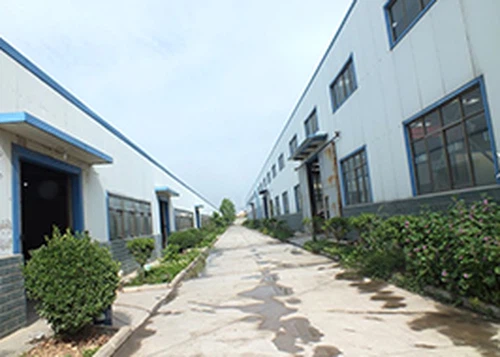
Baoji Pelifly Titanium Industry Co., Ltd is a high-tech enterprise engaged in the research, production, and sales of Titanium and Nitinol alloy and Refractory metal. Our company is located in Baoji High-Tech Development Zone which is the famous "China Titanium Valley". We have advanced equipment, Fully automatic control ALD vacuum consumable arc furnace, Hydraulic press, precision wire rod rolling machine, forging machine, centerless grinding machine, pulling and straightening machine, sawing machine, CNC machine tools, and milling machine and other production equipment, aerospace, medical high-end titanium alloy materials 1000 tons of production capacity.



Ultimate FAQ Guide to Titanium Tube
As one of the leading titanium tube manufacturers and suppliers in China, we warmly welcome you to buy high-grade titanium tube for sale here from our factory. from our factory. All our products are with high quality and competitive price.
Titanium Tube, Titanium Rectangular Tube Titanium Square Pipe, Gr2 Titanium Target Tube